

In today's fast-paced society, social media have intertwined itself into the very fabric of our daily existence. This influences how we interact with others, distribute information, and engage with entertainment. As platforms like IG, Twitter, and Tik Tok leading the charge, the way we interact with media has changed dramatically. The power of these platforms is undeniable, as it forms our views, drives trends, and even impacts the latest technology news.
While we scroll through our streams, it is clear that these networks is not just a tool for conveying messages; it has transformed into a catalyst in the entertainment industry. From viral trends to influencer promotion, the landscape of how we enjoy music, film, and culture continues to develop. This piece delves into the significant impact of social media on our existence, analyzing the ways it reshapes our interactions and redefines the boundaries of entertainment and technology.
The Ascendance of Social Media
The rise of social media has significantly transformed the way we interact and share information. Platforms like Facebook, Twitter, and Instagram have transformed from simple networking sites into powerful tools that shape public opinion and connect people across the globe. This rise can be linked to the wider availability of the internet and smartphone technology, allowing people with a mobile device to join the digital dialogue. As more individuals began to share their lives and thoughts online, social media grew into a cultural movement that would change our interactions for good.
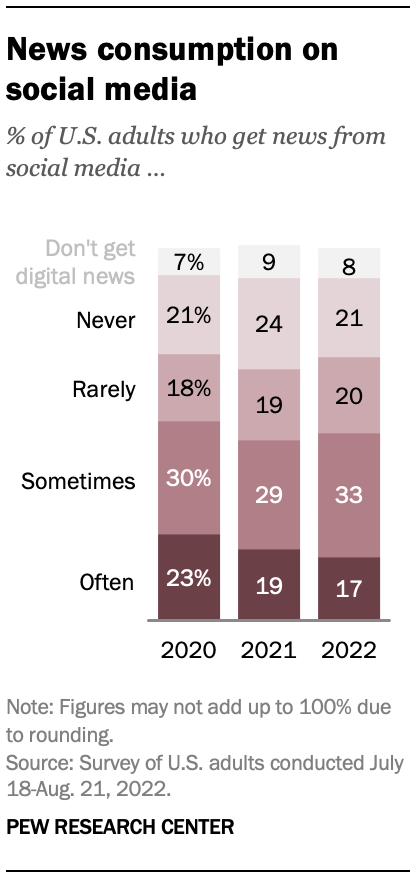
In addition to private interactions, social media has also become a vital source of amusement and information. Individuals no longer rely exclusively on traditional media outlets for news; instead, they look to their favorite platforms for real-time information and trending topics. This transition has changed the landscape of media consumption and created new avenues for content creators and influencers. The capacity to appreciate, share, and respond on posts has cultivated a culture of engagement, where views can spread like wildfire, often affecting social causes and discussions in remarkable ways.
Moreover, the role of technology in the growth of social media cannot be ignored. Advancements in algorithmic design, data analytics, and UI design have made it easier for platforms to filter content that resonates with users. As social media continues to develop, it shapes our perceptions of reality and affects our daily lives. The trend is not merely about connecting with others; it reflects a significant shift in how we engage with entertainment, news, and personal relationships, positioning social media as a central force in contemporary culture.
Amusement in the Virtual Age
The rise of social media has radically transformed the way we experience entertainment. Networks like YouTube, TikTok, and Instagram have enabled creators to reach international audiences with simplicity, allowing for a diverse range of content that conventional media could not match. This democratization of content generation means that any individual with a smartphone can showcase their talent, whether it be music, humor, or narration, providing them a chance at stardom without the obstacles once set by traditional gatekeepers.
Additionally, social media functions as a catalyst for trending trends and challenges, keeping entertainment exciting and intriguing. Memes, dances, and challenges disperse rapidly across channels, sometimes creating a common cultural experience between users. This promptness and interconnectivity have redefined how entertainment is marketed and consumed, with trends evolving at incredible speed. Artists and entertainers leverage these trends to interact with audiences in the moment, fostering a sense of togetherness and interaction that was previously absent in legacy entertainment formats.
Moreover, the combination of technology and social media continues to evolve, shaping the prospects of entertainment in unprecedented ways. Live streaming Socialschmuck.com , virtual concerts, and interactive storytelling experiences are becoming mainstream, fading the lines between entertainer and audience. This continuing shift suggests that as technology progresses, so too will the modes we experience and interact with entertainment, making the virtual age an innovative frontier for both creators and consumers alike.
Changing Ways of Communicating
Social media has transformed the method we connect, enabling instantaneous exchanges across wide distances. Sites like Twitter, Facebook, and Insta allow individuals to express their opinions, experiences, and feelings in real time. This swift exchange of data has fostered a society where immediacy and exposure often predominate over depth and context, resulting in a shift in how we cultivate and sustain bonds. As a result, informal conversations are often replaced by brief reports and shares, impacting the nature of our social interactions.
The rise of social networking has also transformed our ability to concentrate and the manner we consume data. In a life filled with constant notifications and a relentless feed of information, users find themselves glancing through notifications rather than interacting deeply with any single source. This change has effects not only for intimate connections but also for how we engage with media and information sources. As we browse through titles and images, the complexity of information can be diminished, leading to a shallow understanding of more complex issues.
Moreover, social networking platforms have turned into essential tools for individuality and self-identity. Users curate their online personas, selecting what to share and how to present themselves to the public. This constructed communication often fosters originality and self-expression, but it can also lead to unrealistic comparisons and stress. The mechanics of online interactions, shaped by thumbs-up, shares, and reactions, contribute to an changing landscape of acceptance and effect on our mental health substantially.
Influence on Mental Health
The rise of social media has brought a combination of positive and unfavorable effects on mental health. On the one side, platforms create a space for individuals to interact, share experiences, and seek support. Users often find communities that resonate with their struggles, leading to a sense of belonging and comprehension. This access to diverse perspectives can foster resilience and encourage open discussions about mental health topics, which were often stigmatized in the past.
On the other hand, the same platforms can also contribute to feelings of isolation and inadequacy. The constant exposure to curated showcases of others' lives can create an unrealistic standard and spark feelings of envy or self-doubt. Many users indicate increased anxiety and depression linked to social media use, particularly when comparing themselves to others. Cyberbullying and harmful interactions online can further exacerbate these mental health issues, resulting in individuals feeling vulnerable and overwhelmed.
As technology evolves, so does the conversation around mental health and social media use. Experts emphasize the necessity of developing wholesome online habits, such as setting boundaries and tailoring uplifting feed experiences. By advocating for awareness and encouraging responsible use of social media, individuals can leverage its beneficial aspects while mitigating the risks to their psychological health.
A Future of Social Media
The environment of social media is continuously evolving, and the next phase promises to bring notable changes. One important trend is the rise of interactive technologies, such as virtual reality and augmented reality, which are set to transform how users connect with one another and produce content. As social media sites integrate these technologies, we can expect a more interactive experience that goes further than traditional posts and likes, making social media a more dynamic environment for entertainment and connection.
Another crucial aspect of the upcoming of social media is the increasing focus on user privacy and data protection. As users become increasingly conscious of the implications of sharing personal information, platforms will need to emphasize clear data practices. This change could lead to the development of new features that empower users with control over their data and whom they distribute it to, fostering a more trustworthy online community. The equilibrium between tailored experiences and privacy will be a key factor for many platforms in the future.
Finally, the role of social media as a provider of news and insights is likely to grow, but it will also face obstacles. With the surge of misinformation, the coming times will see platforms implementing more robust measures to verify content and promote credible sources. This development will not only affect the way people consume news but will also alter the responsibilities of social media companies as guardians of information. As users more and more rely on these platforms for leisure and news, ensuring a secure and reliable environment will be essential for their longevity and importance.